
A fractional CTO for Orlando founders and business owners — one person owning your entire technology stack
Harmony MSP gives you a hands-on technology executive who makes your software, vendors, and data work as one system — choosing the platforms, owning the integrations, and holding developers and vendors accountable to what you paid for. Not another developer. The person who owns the decisions above the tools. Flat monthly retainer, scoped in writing before you commit.
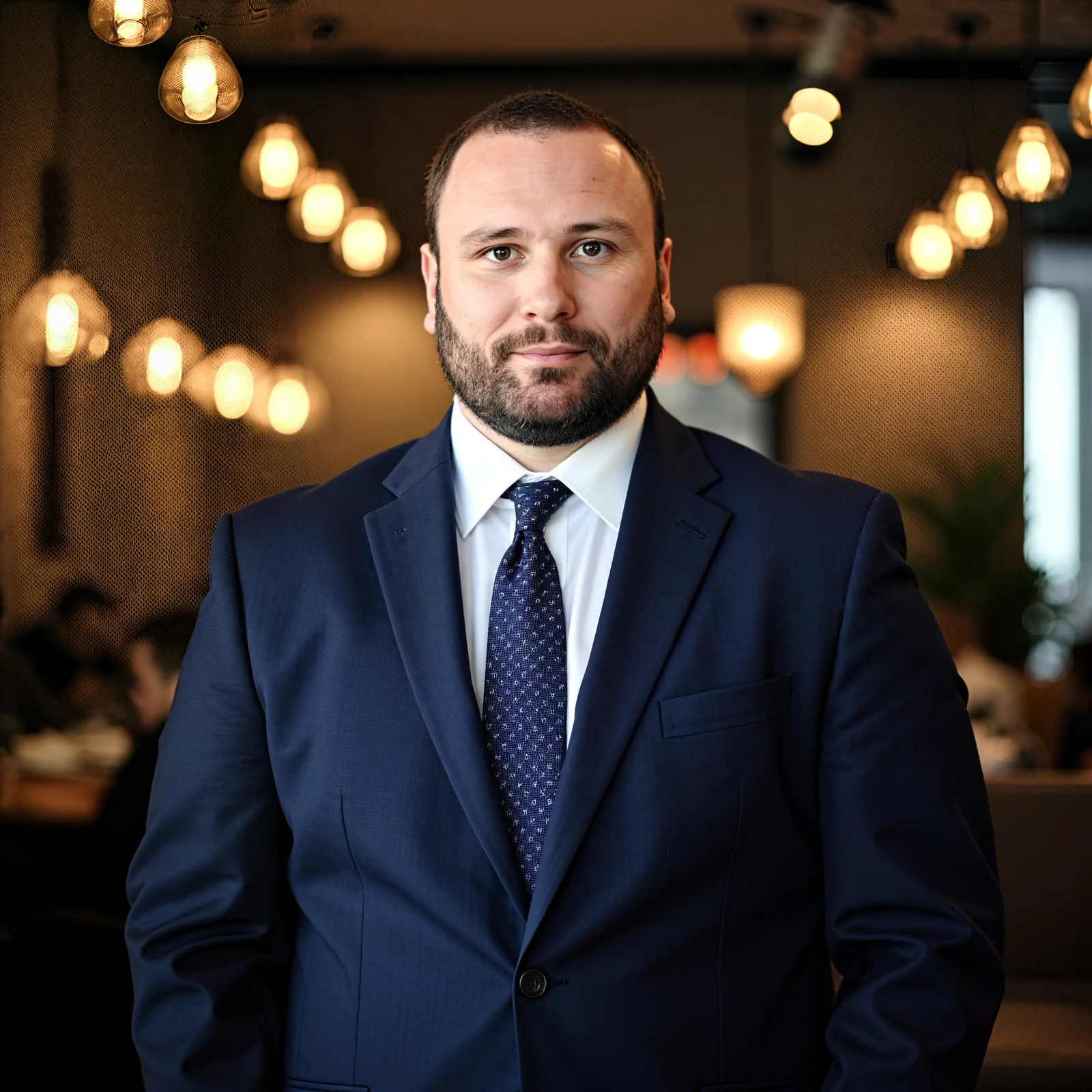
An operator who has built and run the whole stack — not a career consultant
Jason Russell is a builder first. As CTO across six ventures — Grocerly, C4 Social, MorningBrief, QuestKids, Adalytics, and Satisfaction.CX — five of which he founded, he has owned the full technology lifecycle: architecture, stack selection, build-vs-buy calls, vendor negotiation, and shipping product. Earlier in his career, he served as a U.S. Navy cryptologist supporting NSA-directed intelligence operations, including more than 4 years in Iraq — the origin of the security-first discipline behind everything Harmony MSP does.
As your fractional CTO, Jason brings an operator’s perspective to every engagement: honest reviews of the tools you already pay for, straight buy-vs-build calls, and a roadmap your team — or your vendors — can actually execute. He works hands-on in the same AI and automation tooling your team does, so recommendations come from what he has actually shipped with it, not from a vendor deck. The goal is a technology strategy you can defend to a board, a buyer, or a bank — and a stack nobody on your team is afraid to touch. Meet the founder →
What’s included in fractional CTO services
Technology roadmap
A 12-month plan tied to real business goals — sequenced by payoff, reviewed quarterly, and written so owners, partners, and investors can follow it without a translator.
Systems integration & data flow
Getting your CRM, accounting, phone system, portal, and line-of-business apps talking to each other — so data stops getting re-keyed and the business stops running on exported spreadsheets.
Vendor selection & buy-vs-build
Software evaluation, demos, reference checks, contract review, and renewal negotiation — an owner’s representative on your side of the table instead of the vendor’s.
Developer & agency oversight
Scope, estimates, milestones, and code ownership held to account when you’re paying an agency, a freelancer, or an offshore team. We don’t write your code — we make sure what you’re paying for actually arrives.
Security, privacy & compliance
Security posture, customer security questionnaires, and HIPAA or SOC 2 readiness handled — backed by our managed IT & cybersecurity practice.
AI & automation adoption
Where AI genuinely earns its keep in your operation and where it doesn’t — with guardrails, data-handling rules, and someone accountable for the result. See our AI consulting & automation practice.
Fractional CTO vs. a full-time hire
Full-time CTO
- $300,000+ fully loaded (salary, benefits, equity)
- Months to recruit in a brutal market for senior technology leaders
- Single point of failure when they leave
- Usually more executive than a company your size needs
Fractional CTO with Harmony
- Flat monthly retainer — scoped in writing before you commit
- Starts in days, not months
- Backed by a security-first IT and integration team
- Scales up or down as your business and your stack grow
Who hires a fractional CTO
Founders with a product and no CTO
You have something live — built by an agency, a freelancer, or by you and a stack of AI tools. Nobody senior is checking the vendors, the estimates, the data, or the security. You need someone who owns those calls.
Businesses running on a pile of software
Twelve subscriptions, three of them overlapping, none of them talking. A fractional CTO consolidates the stack, connects what’s left, and gets your team off manual re-entry and copy-paste workarounds.
Companies paying outside developers or vendors
Outside teams do their best work with an owner’s representative on your side of the table — reviewing what gets delivered, holding the roadmap, and keeping the incentives straight.
Companies facing outside scrutiny
Investors, buyers, banks, and cyber insurers all ask who owns technology. A fractional CTO gives you credible answers and the documentation behind them — before someone else asks first.
How a fractional CTO engagement works
Strategy call
A straight conversation about your business, the tools you’re running, and whether a fractional CTO makes sense. If it’s not the right fit, we’ll tell you.
Stack & integration assessment
We map every system you pay for, how data moves between them, who owns what, and where the security and single-point-of-failure risks sit. A clear picture of where you stand — no fluff, no upsell agenda.
90-day roadmap & retainer scope
A prioritized plan — what to consolidate, integrate, automate, and secure first — with a written flat-rate scope. You see the exact number before you commit.
Ongoing executive leadership
Vendor and project oversight, integration decisions, quarterly roadmap reviews, and plain-English reporting to owners, partners, and the board. You always know where things stand.
Fractional CTO FAQs
What does a fractional CTO actually do?
A fractional CTO owns the strategic technology decisions in your business: what software you standardize on, how those systems connect, where automation and AI belong, how your data is protected, and whether your vendors and developers are actually delivering. They also represent technology to owners, partners, boards, and investors in language everyone can follow.
Think of it as a Chief Technology Officer on your leadership team without the $300,000+ salary, the six-month recruiting timeline, or the single point of failure when that person eventually leaves.
How much does a fractional CTO cost?
Nationally, fractional CTO retainers typically run $3,000–$15,000 per month, or $150–$500 per hour for project work, depending on scope and company size. At Harmony MSP we use a flat monthly retainer — scoped in writing before you commit, no surprises. See our transparent-pricing approach for context on how we handle fees across all services.
What’s the difference between a fractional CTO and a vCIO?
A vCIO (virtual Chief Information Officer) keeps the business side of IT on track — budget planning, refresh cycles, and day-to-day vendor management for the systems that keep the lights on. A fractional CTO sits a level up on strategy: which platforms you commit to for the next three years, how they integrate, what gets bought versus built, where AI and automation actually pay off, and how technology gets represented to investors, buyers, and boards.
If what you need is day-to-day IT operations and support, start with our managed IT & cybersecurity practice instead.
Do you write the code, or manage the people who do?
We manage. This is a leadership and integration role, not a development shop. We scope the work, evaluate the platforms, design how your systems fit together, review what your developers or agency deliver, and keep the timeline and budget honest.
If the build itself needs hands, we help you hire or contract the right ones — and stay on your side of the table while they work. Nobody gets replaced; we own the decisions above the tools.
How many hours a month do we get?
Our retainers are scoped around outcomes, not hours — your roadmap, integrations, vendor decisions, and security posture get the attention they need, however long that takes in a given month. Before you sign anything, we provide an honest written estimate of typical engagement time. What you won’t get is a mystery invoice at the end of the month.
What size or stage of company is this right for?
Most fractional CTO clients sit between roughly 10 and 150 people: founders with a live product, professional practices with a serious software footprint, and owner-operated businesses where technology decisions now move revenue and risk. Too small to justify a $300,000+ full-time CTO, too dependent on technology to keep guessing.
The real signal isn’t headcount — it’s whether technology decisions are being made by default instead of on purpose.
Can you help with due diligence for fundraising, acquisition, or a sale?
Yes — on either side of the table. If you’re raising or selling, we get your systems documentation, security posture, vendor contracts, licensing, and data handling ready for scrutiny. If you’re acquiring, we assess the target’s technology footprint, integration debt, and vendor lock-in before you commit.
Jason brings an operator’s perspective from six ventures of his own — he knows the questions behind the questions.
How fast can we get started?
Fast. The typical path from first conversation to active engagement is a few weeks: strategy call → stack and integration assessment → 90-day roadmap with written retainer scope and a flat number. You see the exact cost before you commit. No extended discovery retainers, no “we’ll figure out scope as we go.”
Do you work onsite in Orlando, or remotely?
Both. We’re based in Lake Mary, Florida, and serve clients worldwide. Most strategic work — roadmap planning, vendor reviews, integration design, board reporting — happens remotely, so geography is no barrier. For businesses across Orlando and Central Florida, being in the room is easy — and we travel to clients anywhere when in-person makes sense.
Are we locked into a long-term contract?
No. Our retainers are flat-monthly with written scope — you know exactly what you’re getting and for how much. After the initial scope period, engagements move to month-to-month. If it’s not working for either side, we’ll say so. You take your roadmap, your systems documentation, and your documented decisions with you regardless.